Showing posts with label IWA. Show all posts

Saturday, October 25, 2014

Reflecting on SIWW2014 and Nepal2014

This summer I went to my first Singapore International Water Week (SIWW for those in the know). It was an excellent experience and thought I'd reflect on what I'd seen.

If I had to sum up what SIWW is all about, I'd say it was a truly global center for water professionals to network. I've been to other international conferences that do a decent job of connecting utilities, and/or consultants; others do a great job of connecting researchers and academics; still others connect regulators and policy makers... now SIWW somehow manages to bring all of them together. That's quite an acheivement. I'm a process engineer, which means I appreciate technologies and how we apply them to solve water issues. Until recently I've not really appreciated the value of networking with diverse water experts from around the world, but more and more I understand the axiom "it's who you know, not what you know." Of course it's nice to know a bit too and by rubbing shoulders with smart international experts you get to add to your own knowledge.


Fast forward to October 2014 and I'm about to head off to the IWA Specialist Conference "Sustainable Wastewater Treatment and Resource Recovery" in Nepal. I'm intrigued to see the diversity of water professionals at this conference in comparison to SIWW. In addition to diversity across the various roles in the water industry, I'll be interested to see a greater diversity across geopolitical boundaries which will help us to see the differences and commonalities across our profession. I've only worked in already-developed nations and seen wastewater treatment through the narrow lense of technologically intensive and centralized approaches. It will be good to take a step back and out to see how different nations are tackling wastewater treatment. There's a distinct possibility that other nations, still developing their infrastructure, can by-pass some of the mistakes we've taken in the West and jump ahead to more sustainable solutions directly. That's what I'm hoping for in the discussion segments of a workshop I'm helping to lead: "Workshop D: Leapfrogging to off- the- grid biological nutrient removal (October 27, 2014)". We'll see. Should be interesting...


Friday, August 2, 2013

Nutrients Part 2

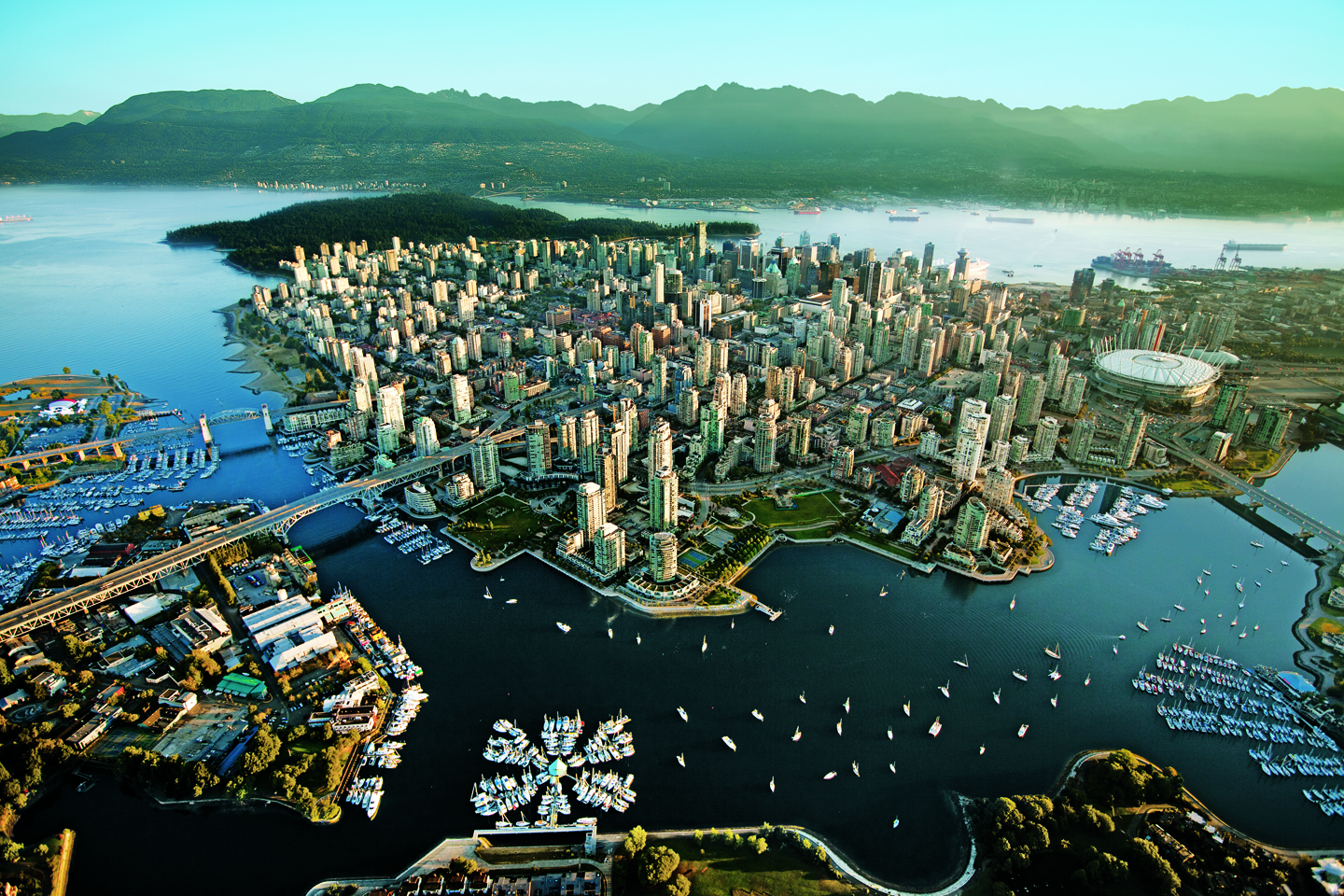
Vancouver
Vancouver

My original plan was to step from Nutrients to Energy to Water week by week in thinking through resource recovery from wastewater treatment plants, but I want to dwell a little longer on Nutrients as this past week I attended the WEF/IWA Nutrient Removal and Recovery 2013: Trends in Resource Recovery and UseIt was a very good conference. Just the fact that this annual conference that started out looking at nutrient removal now includes significant space for recovery of said nutrients is an excellent step forward. Last Blog I listed what I thought were 3 significant hurdles to nutrient recovery, namely Money, Focus and Knowledge. This past week certainly brought Focus to the topic and considerable Knowledge too... to be honest there was so much knowledge shared I need to go back through the proceedings to see what I missed! This is excellent news in our move toward a sustainable future.

So that's the good news, but still there is the significant hurdle of Money. I want to offer the suggestion that we need to broaden our perspectives when it comes to looking at the finances of nutrient recovery projects. One very obvious example is the benefit that comes from removing phosphorus from a treatment facility that is suffering from pipe blockages and equipment failure due to struvite. I have heard of a couple of utilities that have decided to do phosphorus recovery in order to remove phosphate from their sludge liquors where struvite was a major problem. There is also evidence that sludges rich in phosphorus (due to enhanced biological phosphorus removal) are more difficult to dewater. Finally, the content of P in most biosolids produced in a treatment facility is much higher than it needs to be for agronomic use. Connect all of these factors together, estimate the cost benefits of them and then add this to the economic analysis for P-recovery and it will significantly shift the balance.

And all this is can be acheived without considering the true value of phosphorus as a non-renewable resource. Throw in this factor, and the fact that it's doing the right thing, then I think the case for nutrient recovery is much stronger than many may realize. I'm excitied to be working on a P-recovery project at Stickney in Chicago over the next several months. I strongly encourage others to consider doing it - the financial aspects are much better than you'd expect if you take an holistic view, and it's just the right thing to do, so do it!


Friday, August 24, 2012

Conference season in Twitterland

In the next few weeks there are several conferences with wastewater foci and I'm planning to be at a couple of them. First up will be the International Water Association world water congress in Busan. Wait a minute! Did I just see they have an iPad app for the conference? Plus they have a Facebook site (of course), a LinkedIn group and their own hash tag, #iwa2012busan for Twitter! Wow, technology comes to conferences in a big way! Of course, being the geek that I am I must try them out!
Last year we tried using twitter for Q&A at the IWA/WEF Nutrient conference (#nr2011 if you're interested) with the intent that younger water professionals might feel less intimidated and submit their questions during the Q&A. In that respect it was a bit of a failure as the usual senior folks dominated the tweets as much as they liked to hog the mike during the verbal Q&A. What it turned into was more of a set of side conversations, which was OK and added a new dimension to the conference reminiscent of the days when conferences had more heated discussions and back and forth dialogue.

We tried a similar thing for #wwtmod2012 which worked OK but the folks hogging the mike stuck more with their traditional mike-hogging at that conference and didn't contribute as much to the twittering!

In 2011 and again in 2012 WEFTEC will be tweeting away on #WEFTEC. If last year is anything to go by it will mostly be used by vendors encouraging people to look at their stands and a few folks tweeting comments on the technical sessions. That's cool I suppose.

It will be interesting to see how these conferences make use of Twitter and other social media and how the attendees take to them.