Showing posts with label resource recovery. Show all posts

Friday, August 2, 2013

Nutrients Part 2

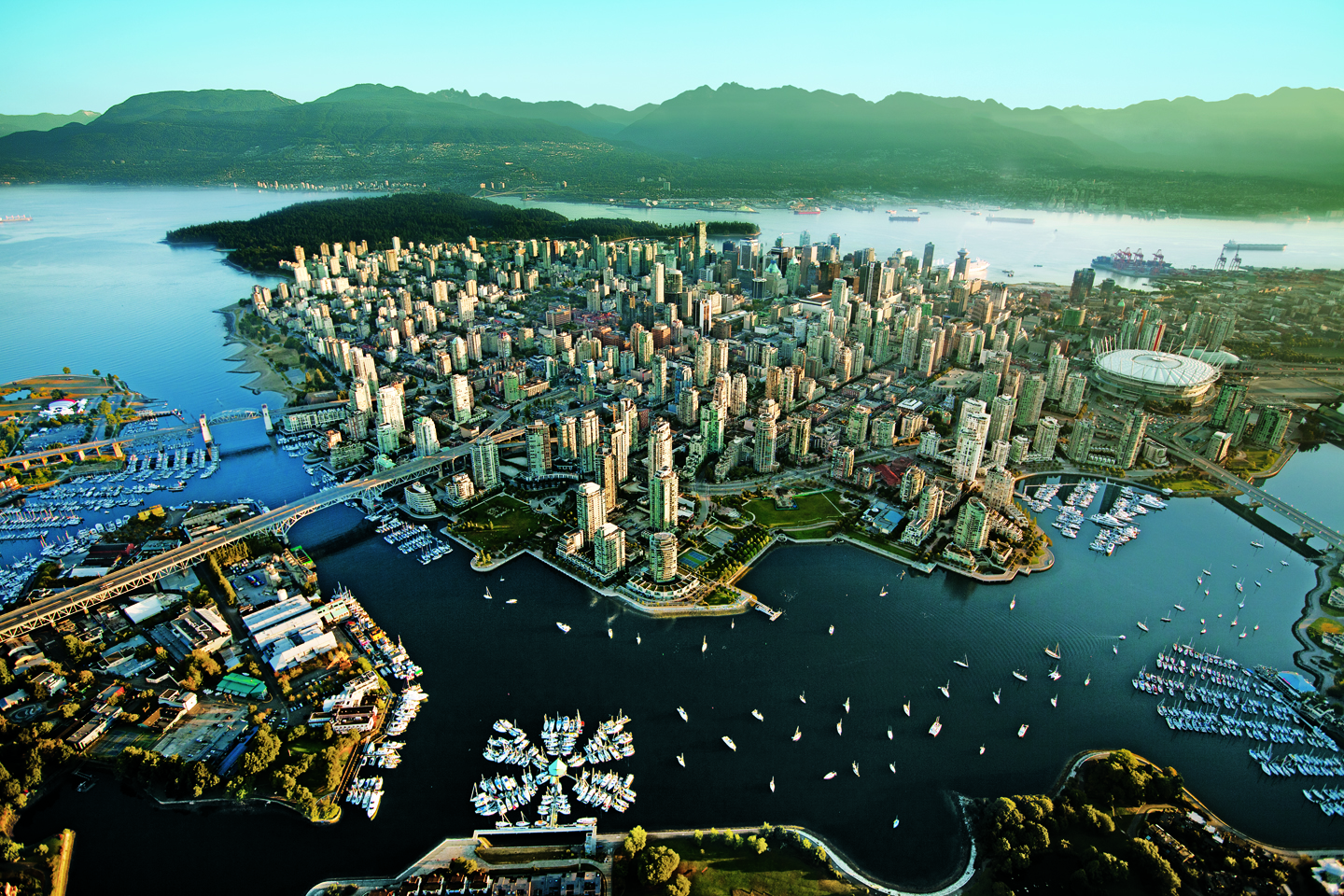
Vancouver
Vancouver

My original plan was to step from Nutrients to Energy to Water week by week in thinking through resource recovery from wastewater treatment plants, but I want to dwell a little longer on Nutrients as this past week I attended the WEF/IWA Nutrient Removal and Recovery 2013: Trends in Resource Recovery and UseIt was a very good conference. Just the fact that this annual conference that started out looking at nutrient removal now includes significant space for recovery of said nutrients is an excellent step forward. Last Blog I listed what I thought were 3 significant hurdles to nutrient recovery, namely Money, Focus and Knowledge. This past week certainly brought Focus to the topic and considerable Knowledge too... to be honest there was so much knowledge shared I need to go back through the proceedings to see what I missed! This is excellent news in our move toward a sustainable future.

So that's the good news, but still there is the significant hurdle of Money. I want to offer the suggestion that we need to broaden our perspectives when it comes to looking at the finances of nutrient recovery projects. One very obvious example is the benefit that comes from removing phosphorus from a treatment facility that is suffering from pipe blockages and equipment failure due to struvite. I have heard of a couple of utilities that have decided to do phosphorus recovery in order to remove phosphate from their sludge liquors where struvite was a major problem. There is also evidence that sludges rich in phosphorus (due to enhanced biological phosphorus removal) are more difficult to dewater. Finally, the content of P in most biosolids produced in a treatment facility is much higher than it needs to be for agronomic use. Connect all of these factors together, estimate the cost benefits of them and then add this to the economic analysis for P-recovery and it will significantly shift the balance.

And all this is can be acheived without considering the true value of phosphorus as a non-renewable resource. Throw in this factor, and the fact that it's doing the right thing, then I think the case for nutrient recovery is much stronger than many may realize. I'm excitied to be working on a P-recovery project at Stickney in Chicago over the next several months. I strongly encourage others to consider doing it - the financial aspects are much better than you'd expect if you take an holistic view, and it's just the right thing to do, so do it!


Saturday, July 6, 2013

Thinking About Resource Recovery

I'm helping with a new WEF special publication entitled "Moving Toward Resource Recovery Facilities" in which we're looking at wastewater as less of a disposal option and more as a source of materials that can be recovered. The book will follow the general themes of looking to recover Nutrients, Energy and Water which gives the handily memorable acronym N-E-W! (see WERF workshop for more background on N-E-W)

Ostara Prills

Give me an N

So, let's start with "N" for Nutrients. Way back at the start of the 20th Century, wastewater inventors and innovators were looking for ways to recover nitrogen from sewage and saw the benefit of using sewage sludge as a fertilizer, but then along came the Haber-Bosch process that revolutionized fertilizer production by fixing nitrogen from the atmosphere and took away some of the urgency for nitrogen fertilizers. Fast forward to the start of the 21st Century and now the focus has shifted to phosphorus recovery. Unlike nitrogen, phosphorus does not exist naturally in a gaseous form and so the natural phosphorus cycle involves rocks, water and plants shifting phosphorus around over several millenia. On a global scale, rock phosphorus is mined for fertilizer and the majority of it ends up being eventually washed off to rivers and oceans with no easy way to recover it. Wastewater contributes a small but significant load to the global phosphorus footprint and therefore opens the opportunity for us to tap that resource. (I've written more about this elsewhere.)

Give me an E

Woodman Point Digesters

Energy generation is getting a lot of attention in the North American wastewater sector right now. It has been common practice worldwide for many years to use anaerobic digesters to generate biogas to heat the digesters and in some instances to use that biogas in generators to produce electricity. In North America and elsewhere the economics haven't always worked out to enable the the biogas to be used this way (darned siloxanes from beauty products making things considerably worse), but an increased focus on energy and new technologies are moving more utilities to consider anaerobic digestion. WERF recently completed a study on the barriers to biogas use that showed that there are many misconceptions about digesters and biogas and that it's much more attractive than many people thought.

Give me a W

Singapore PUB NEWater Visitors Centre

So, with all this focus on Nutrients and Energy it's easy to forget that the single biggest resource that can be recovered from wastewater is the obvious one... Water. Water reclamatation and reuse is well-established throughout the world, especially in those regions where water is scarce and there is no alternative to re-using water as effectively as possible. My favorite example is the NEWater scheme in Singapore (and not just because I end up with "NEW" as the "W" in my "N-E-W" acronym - everything is New!!!). There they are serious about catching as much water as possible and re-using what they term "used water" to provide up to 30% of their water requirements now and plans to provide more than half of their water needs in the future. It's pretty cool.

These are exciting and interesting times in the wastewater field. The move to recycle and reuse materials to improve the sustainability are self-evident to most of us in the industry. The main hurdle, as with most things, is the financing. Adding technology and infrastructure to recover nutrients, energy and water costs money and if it's cheaper to just let all of the resources to go untapped into rivers, oceans and landfills then that's the default we'll fall back to.